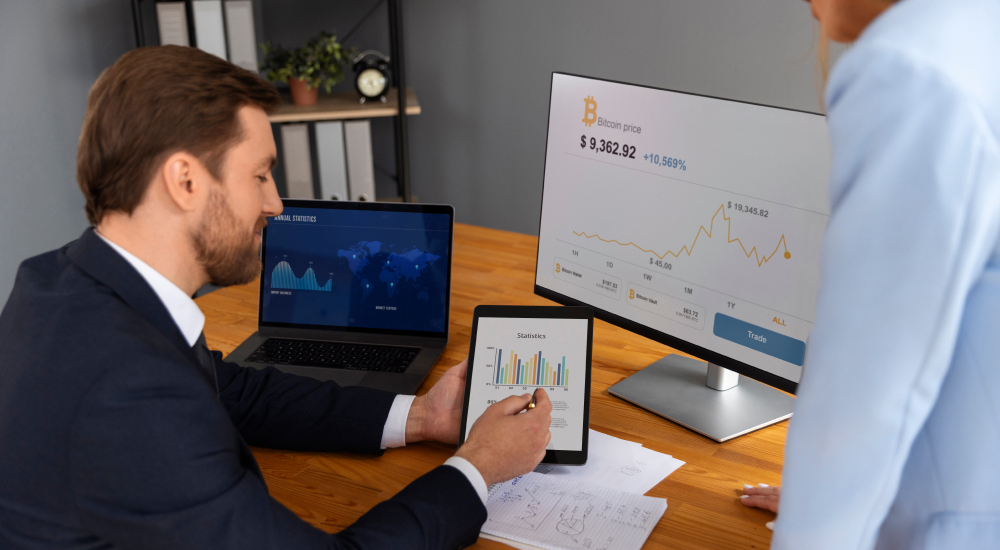

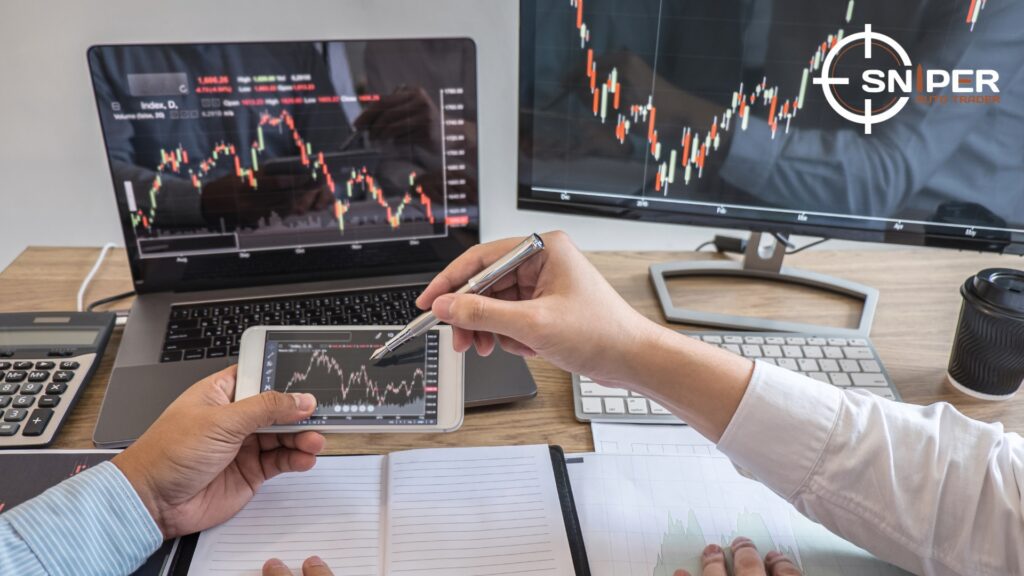
Trading Management Software has become increasingly popular among retail traders who want a more structured and efficient way to manage their trading activities. If you’re new to trading or looking for technology that can help simplify your trading process, this guide will walk you through the basics and help you understand how Trading Management Software can fit into your strategy.
What Is Trading Management Software?
Trading Management Software is technology designed to help traders manage different aspects of the trading process. Depending on the platform, it can provide tools for market monitoring, trade execution, position management, strategy selection, and risk management.
Instead of manually watching the markets and managing every trade yourself, Trading Management Software can help handle these tasks according to predefined trading parameters.
This type of technology has been widely used by professional traders and financial institutions for years. Today, Trading Management Software is also available to individual traders, making sophisticated trading tools more accessible.
For example, Sniper Auto Trader provides Trading Management Software designed to help futures traders manage their trading activities more efficiently.
Why Should Beginners Consider Trading Management Software?
For beginners, Trading Management Software can provide several advantages:
- Simplified Trade Management: Software can help manage various aspects of your trading process from a centralized platform.
- Less Manual Monitoring: Instead of constantly watching charts, traders can use software to monitor relevant market conditions.
- Consistent Execution: Predefined trading parameters can help traders follow a structured approach rather than making decisions based entirely on emotions.
- Risk Management: Features such as stop-loss levels, profit targets, and position controls can help traders establish predefined risk parameters.
- Strategy Evaluation: Some platforms provide tools for analyzing strategies using historical market data before applying them to live trading.
Types of Trading Strategies
Trading Management Software can support different trading approaches depending on the platform and its available features.
1. Scalping
Scalping involves attempting to capture relatively small price movements through short-term trades.
Trading Management Software can help monitor market conditions and manage entries and exits according to predefined settings.
2. Trend Following
Trend-following strategies attempt to participate in established market movements.
Trading software can help traders identify relevant market conditions and manage positions based on their selected trading parameters.
3. Mean Reversion
Mean-reversion strategies are based on the idea that prices may move back toward an average or established range after significant deviations.
Trading Management Software can monitor price conditions and assist with trade management when predefined criteria are met.
4. Other Trading Approaches
Depending on the platform, traders may also have access to additional strategies and trade-management techniques designed for specific markets and trading objectives.
The most important consideration is choosing an approach that matches your experience, risk tolerance, and trading goals.
Choosing the Best Trading Management Software
For beginners, choosing the right Trading Management Software can make the learning process much easier. Here are some important factors to consider:
1. Ease of Use
Look for software with an intuitive interface and straightforward setup process. Beginners shouldn’t need advanced programming knowledge just to configure their trading preferences.
2. Customization
As your experience grows, you may want greater control over your trading settings. Look for software that allows you to adjust parameters according to your preferred trading style.
3. Strategy Evaluation
Historical performance analysis can help traders evaluate how a particular trading approach may have performed under different market conditions.
4. Trade Execution
Fast and reliable trade execution is particularly important for short-term futures trading, where market conditions can change quickly.
5. Risk Management
Look for tools such as:
- Stop-loss settings
- Profit targets
- Trailing stops
- Contract controls
- Position management
6. Cost and Support
Consider the software’s pricing, available features, educational resources, and customer support before making a decision.
Getting Started With Trading Management Software
Choose the Right Platform
There are many trading platforms and software solutions available, but Sniper Sling Shot from Sniper Auto Trader is designed to provide futures traders with a straightforward Trading Management Software solution.
The platform provides tools that can help traders manage market monitoring, trade execution, strategy settings, and risk parameters.
Learn the Basics of Futures Trading
Before using any trading software with real money, it’s important to understand the market you’re trading.
Futures trading provides access to markets such as:
- S&P 500
- Nasdaq
- Crude oil
- Gold
- Other commodity and financial markets
You should understand important concepts such as margin requirements, contract sizes, tick values, leverage, trading hours, and potential losses.
Futures markets operate for extended hours throughout the trading week, providing flexibility for traders in different locations and with different schedules.
Set Up Your Trading Strategy
Once you understand the basics, configure your Trading Management Software according to your preferred approach.
The process generally involves:
Selecting Your Market
Choose the futures market you want to trade, such as the S&P 500, Nasdaq, crude oil, or another available market.
Choosing Your Trading Style
Determine whether your approach is focused on short-term scalping, trend-following, or another trading strategy supported by the software.
Setting Your Risk Parameters
Establish settings such as:
- Stop-loss levels
- Profit targets
- Number of contracts
- Position limits
- Trailing-stop parameters
Your position size should always be appropriate for your account size and risk tolerance.
Backtest and Paper Trade
Before using a strategy with real capital, consider evaluating it using historical market data where appropriate.
Backtesting can help you understand how a strategy might have performed under historical conditions. However, past performance does not guarantee future results, and backtesting may not fully reflect live-market conditions, slippage, commissions, or execution differences.
Paper trading or simulated trading can provide another useful way to become familiar with the software without immediately putting real capital at risk.
Start Small and Scale Gradually
If you’re new to futures trading, there’s no need to start with a large position.
Consider beginning with smaller contract sizes, such as Micro E-mini futures, where appropriate, to become familiar with market movements and your trading process.
Once you’ve developed experience and have sufficient data to evaluate your approach, you can determine whether increasing your position size is appropriate.
Never increase position size simply because you want to reach a specific daily profit target.
Key Considerations for Trading Management Software Users
Monitor Your Trading Activity
Trading Management Software can simplify many aspects of trading, but it doesn’t eliminate the need for oversight.
Regularly review your trades, software settings, account activity, and overall performance.
Prioritize Risk Management
Technology doesn’t eliminate trading risk. Establish appropriate stop-loss levels, position sizes, and daily risk limits.
Never risk money you cannot afford to lose.
Choose the Right Broker
Make sure your futures broker supports the markets, contracts, and software integrations you intend to use.
Compare factors such as fees, margin requirements, execution, platform compatibility, and customer support.
Continue Learning
Trading software is a tool—it isn’t a substitute for understanding the markets.
Continue learning about futures, market behavior, position sizing, risk management, and trading psychology as you gain experience.
Conclusion
Trading Management Software can give beginners a more structured way to approach the financial markets. By combining market monitoring, trade execution, strategy management, and risk-control tools, the right software can simplify many aspects of the trading process.
For futures traders, Sniper Sling Shot provides a Trading Management Software solution designed to help manage trades according to predefined settings while reducing the need for constant manual market monitoring.
If you’re getting started, focus on learning the fundamentals, testing your approach, managing risk, and gradually building experience.
Start small. Trade with a plan. Manage your risk. Keep learning.