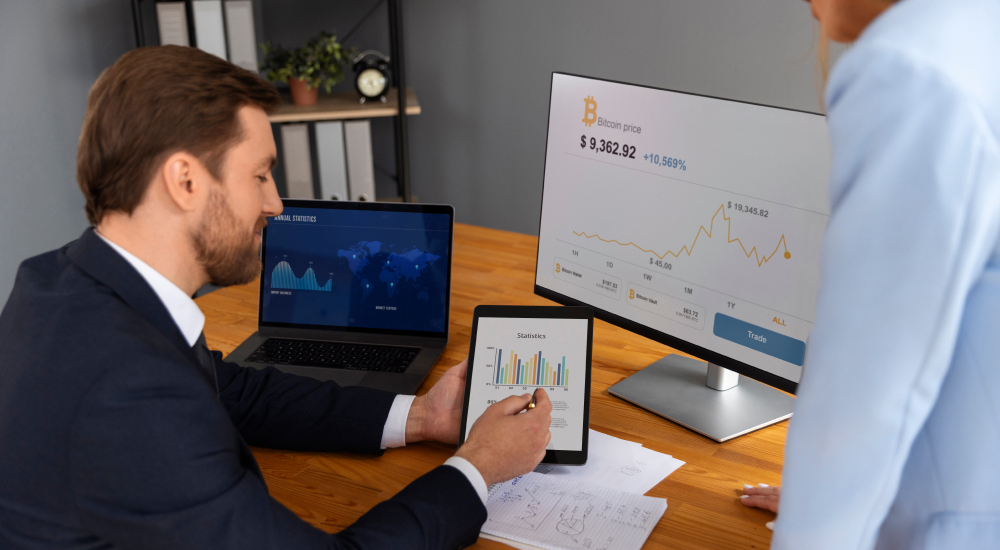
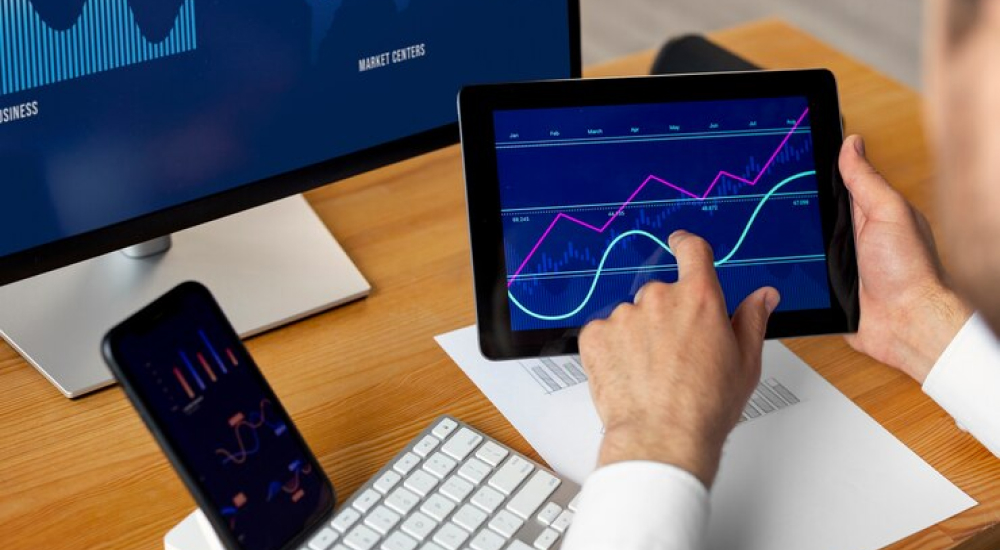


The world of day trading moves quickly. Market conditions can change in seconds, and traders often need to make decisions without hesitation. For many traders, day trading management software offers a way to streamline trade execution, follow predefined strategies, and reduce the need for constant screen time.
One platform designed for automated futures trading is Sniper Sling-Shot. Rather than relying on emotional or impulsive decisions, day trading management software can help traders follow predefined trading rules and risk parameters more consistently.
In this guide, we’ll explore how day trading management software works, its potential benefits, and how traders can use a system like Sniper Sling-Shot more effectively.
What Is Day Trading Management Software?
Day trading management software is technology designed to help traders monitor markets, manage positions, execute trades, and apply predefined trading rules.
Depending on the platform, these tools may include features such as:
- Automated trade execution
- Market monitoring
- Entry and exit signals
- Stop-loss management
- Profit targets
- Trailing stops
- Position sizing
- Trading performance tracking
For futures traders, day trading management software can be particularly useful because futures markets move quickly and operate for extended hours during the trading week.
Instead of manually monitoring every price movement, traders can configure their strategy and allow the software to manage trades according to predefined parameters.
However, software does not eliminate trading risk or guarantee profits. The underlying strategy, market conditions, execution, and risk management all remain important.
Why Use Day Trading Management Software?
1. Faster Trade Execution
Timing can be critical in short-term trading. Day trading management software can monitor market conditions and respond to predefined signals without the hesitation that can occur during manual trading.
For scalping-oriented strategies, this can be especially useful because traders may be targeting relatively small price movements.
With Sniper Sling-Shot, traders can automate parts of their trading process rather than manually entering and managing every trade.
2. Consistent Strategy Execution
One of the biggest challenges in day trading is maintaining discipline.
A trader may have a clearly defined strategy but abandon it after a losing trade or enter an unnecessary position because of fear, excitement, or overconfidence.
Day trading management software can help address this problem by following predefined rules consistently.
For example, traders can establish:
- Entry conditions
- Stop-loss levels
- Profit targets
- Trailing-stop parameters
- Position size
- Trading hours
- Maximum risk per trade
Once configured, the software can execute according to those parameters.
3. Reduce Emotional Trading
Fear, greed, impatience, and overconfidence can all influence manual trading decisions.
Day trading management software doesn’t experience those emotions. It follows the rules and parameters established by the trader.
This doesn’t mean every trade will be profitable. Instead, the benefit is consistency—the system can continue applying the same trading approach rather than changing decisions based on emotions.
4. Spend Less Time Watching the Market
Day trading can require significant screen time. Traders may spend hours watching charts while waiting for a specific setup.
Day trading management software can reduce some of that workload by monitoring market conditions and taking action when predefined criteria are met.
This can be particularly useful for traders who have work, family, or other responsibilities and cannot monitor the market continuously.
5. Built-In Risk Management
Risk management should be at the center of every day trading strategy.
Depending on the platform and configuration, day trading management software can incorporate tools such as:
- Stop losses
- Profit targets
- Trailing stops
- Position sizing
- Trade limits
- Predefined risk parameters
These controls allow traders to establish their risk boundaries before entering the market.
Keep in mind that stop-loss orders don’t guarantee a specific execution price, particularly during fast-moving or highly volatile markets.
How Sniper Sling-Shot Fits Into Day Trading Management
Sniper Sling-Shot is designed for automated futures trading and can help streamline the way traders manage and execute their trades.
Instead of requiring traders to manually react to every market movement, the system can apply predefined trading logic to market conditions.
Scalping-Oriented Trading
Scalping focuses on capturing relatively small price movements over shorter periods.
Day trading management software can be useful for this approach because it can monitor the market and execute trades according to predefined conditions.
However, scalping also comes with risks, including slippage, transaction costs, rapid market reversals, and differences between historical testing and live execution.
Trend-Based Trading
Day trading management software can also support strategies designed to participate in larger market movements.
Rather than exiting a position at a fixed target immediately, traders may use trailing-stop concepts to allow a position to remain open while the market continues moving favorably.
The appropriate approach depends on the trader’s strategy, risk tolerance, and market being traded.
How to Use Day Trading Management Software Responsibly
Using day trading management software doesn’t mean you should simply “set it and forget it.”
A better approach is to treat the software as a trading management tool while remaining responsible for your strategy and risk decisions.
Step 1: Understand the Strategy
Before using a day trading management system, understand how the strategy works.
You should know:
- Which market it trades
- What triggers an entry
- What triggers an exit
- How losses are controlled
- How many contracts are traded
- When the system operates
Step 2: Test Before Going Live
Historical testing can help you understand how a strategy performed under previous market conditions.
Paper trading or simulated trading can provide another layer of testing before committing real capital.
Remember that past performance does not guarantee future results. A strategy that performed well historically may behave differently in live markets.
Step 3: Start With Controlled Risk
New traders should avoid immediately increasing their position size simply because a system appears to perform well.
Starting with smaller contract sizes can help you understand:
- Live execution
- Slippage
- Drawdowns
- Strategy behavior
- Broker and platform interactions
Once you understand how the system behaves, you can make more informed decisions about whether and how to scale.
Step 4: Monitor Performance
Even when using day trading management software, it’s important to monitor performance.
Review metrics such as:
- Win rate
- Average winning trade
- Average losing trade
- Maximum drawdown
- Number of trades
- Trading costs
- Slippage
- Performance across different market conditions
These metrics can help you determine whether your strategy is behaving as expected.
Can Day Trading Management Software Increase Your Earnings?
Day trading management software can potentially improve efficiency, consistency, and execution, but no software can guarantee profits.
Trading results depend on numerous factors, including the strategy, market conditions, execution costs, leverage, position sizing, and risk management.
The primary advantage of day trading management software is that it can help traders execute a defined strategy more consistently while reducing some of the challenges associated with manual trading.
Instead of focusing solely on achieving a specific daily profit target, traders should focus on developing a repeatable strategy with controlled risk.
Who Can Benefit From Day Trading Management Software?
Day trading management software can be useful for several types of traders.
Beginners may appreciate the structured approach and automated execution. However, beginners should still understand the fundamentals of futures markets, leverage, margin, and risk management.
Experienced traders can use management software to reduce repetitive manual tasks and execute established strategies more consistently.
Busy traders may also benefit because the software can monitor markets and manage predefined trading conditions without requiring them to remain in front of their computer continuously.
Final Thoughts
Day trading management software is changing how traders approach short-term markets. By combining market monitoring, predefined strategies, automated execution, and risk-management tools, platforms such as Sniper Sling-Shot can help traders streamline their trading workflow.
However, software isn’t a shortcut to guaranteed profits. The most effective approach is to understand the strategy, test it carefully, control position size, monitor performance, and continually evaluate how it performs under different market conditions.
If you’re considering futures trading with day trading management software, start with education and testing before committing significant capital.
The software can help manage and execute your strategy—but your strategy and risk management still matter most.